
For co-founders
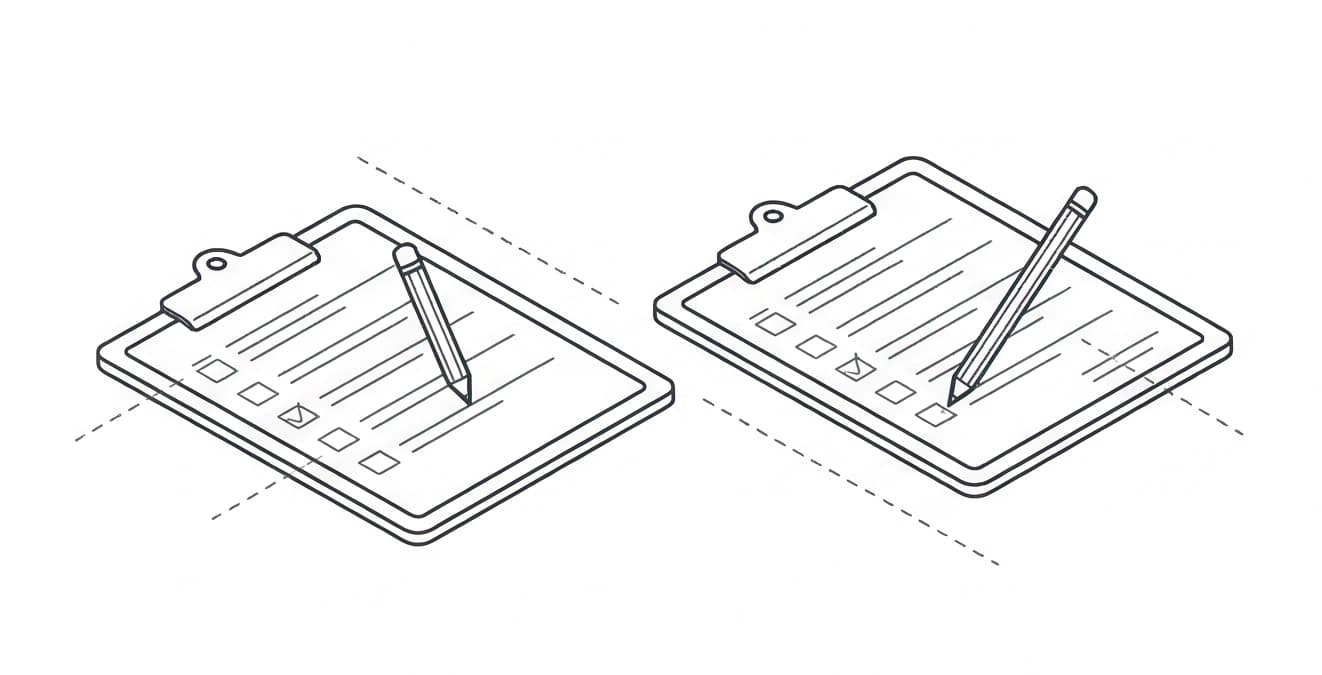
Each founder answers independently. Two structured alignments cover how you operate together and how you define roles, equity, decisions, and direction.

Two structured alignments. The first covers how you respond to pressure, disagreement, and collaboration. The second covers how you define roles, commitment, equity, decisions, and strategy.

Where you agree. Where you diverge. What you've never discussed, across roles, decision authority, contribution, financial expectations, and strategic direction.

Commitment and capacity agreements. Roles and decision ownership. Equity logic. Strategic alignment. Conflict navigation protocols. Exit expectations. Documented.

Capacity levels across the team. Early signals of strain. Patterns that lead to tension. Where misalignment is increasing. Address issues before they affect execution.
Not a report you read once. An operating reference you use every time a hard conversation comes up.
You know who decides what, and what happens when you disagree.
You've agreed on what 'all-in' means, in hours, money, and risk.
Equity conversations have documented logic, not just a handshake.
Tension has a protocol, not a fight.
Capacity strain is visible before it affects judgment.
We would like to measure how the site is used so we can improve it. That means product analytics, which records the pages you visit and how you move through them, and is not necessary to make the site work. It is off until you say yes, and you can change your mind at any time from the footer. Read the privacy policy.
Strictly necessary cookies — the ones that keep you signed in and protect the forms — stay on either way. They are exempt from consent because the site cannot work without them.